
Industrial Cabinet Hardware Engineered for Southeast Asia’s Tropical Climate
Infrastructure Boom & Corrosion Pain Points in Southeast Asia
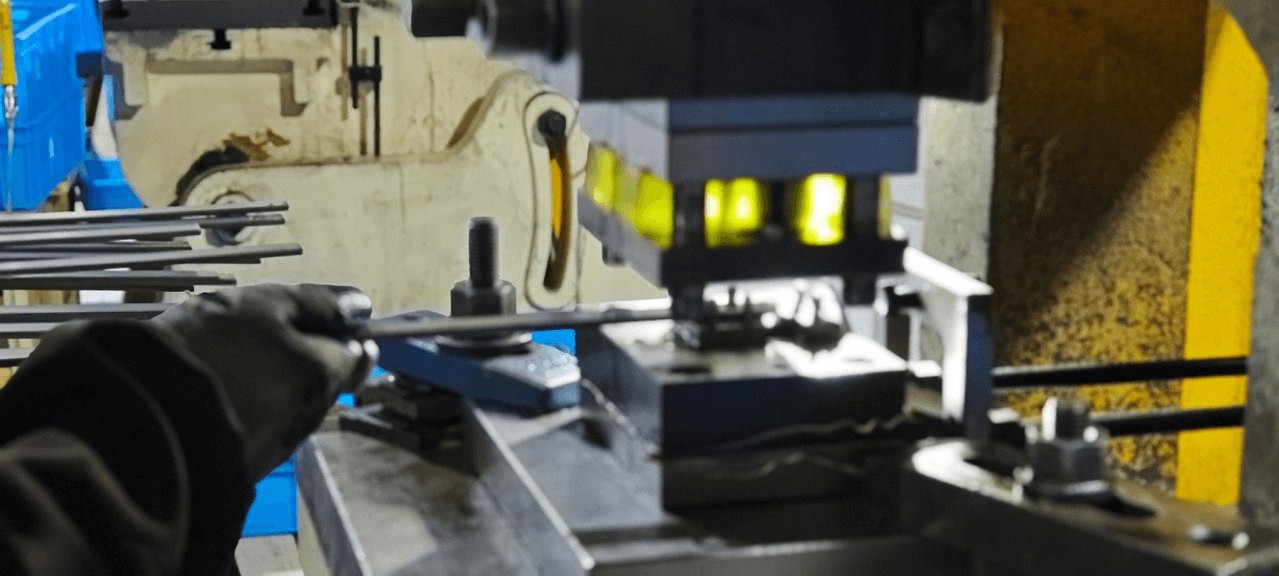
Southeast Asia is undergoing rapid expansion in data centers, power transmission infrastructure, telecommunication cabinets and new‑energy storage projects. According to IMARC industry report, the Southeast Asian data‑center market reached 7.9 billion U.S. dollars in 2025, and massive hardware procurement demands keep growing across Indonesia, Thailand, Malaysia, Vietnam and the Philippines.
Most regions of Southeast Asia feature high temperature, persistent high humidity, heavy rainfall and severe coastal salt‑spray atmosphere. Standard cabinet locks, hinges and sealing gaskets will suffer rapid rust, surface degradation and sealing failure under such tropical conditions. Premature hardware failure brings extra maintenance cost and hidden risk for power, telecom and energy enclosure projects.
Reaking is a manufacturer based in Shengzhou, Zhejiang, China, not a trading company. We tailor cabinet hardware solutions for tropical coastal and inland application scenarios across Southeast Asia.
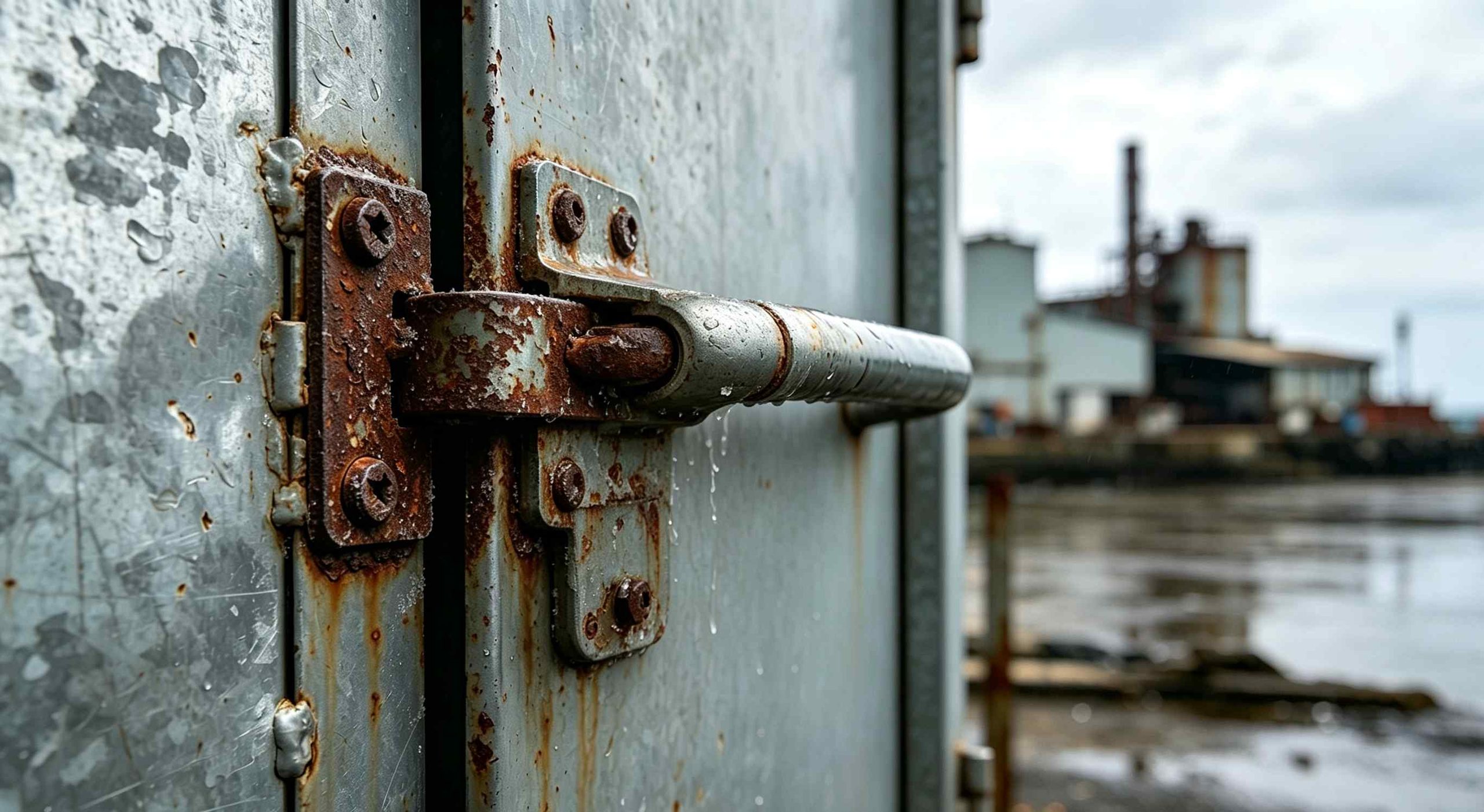
Our Optimized Hardware Solutions for Southeast Asia
Our core product portfolio covers industrial cabinet locks, heavy‑duty hinges, compression latches and environmental sealing gaskets. All items are optimized to resist high‑humidity, salt‑spray and wide temperature fluctuation for Southeast‑Asia infrastructure enclosures.
- Data‑center server cabinet: anti‑corrosion swing handles, compression locks and EPDM gaskets, long‑term stable operation under hot‑humid indoor environment
- Outdoor power & telecom cabinet: reinforced surface treatment hardware, suitable for coastal salt‑fog sites
- Energy‑storage cabinet: vibration‑resistant hinges and IP‑rated sealing components for local new‑energy deployment
- General industrial enclosure: cost‑effective hardware for inland non‑coastal Southeast‑Asia projects
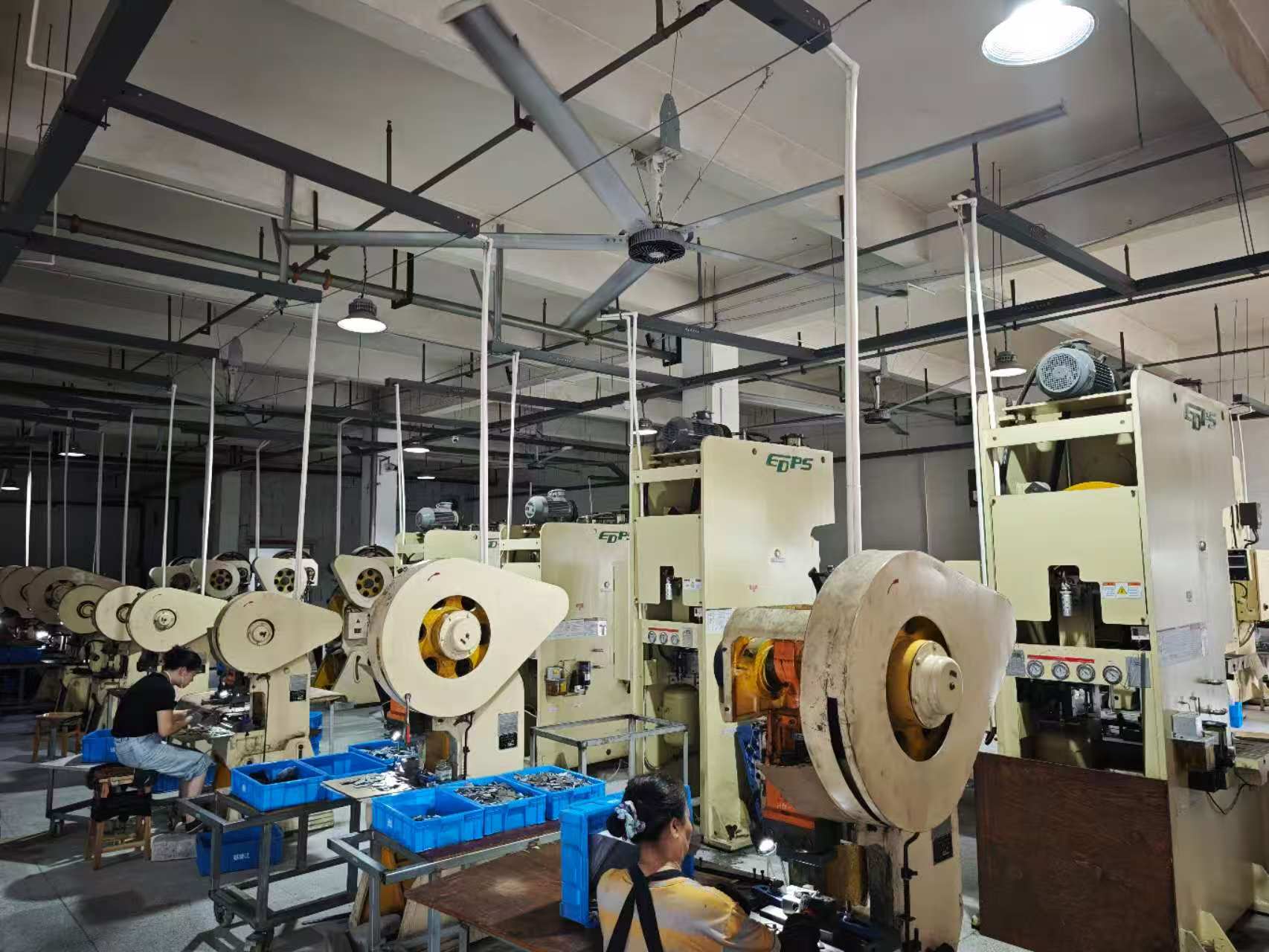
Visit our manufacturing facility page to know our production capability. Our project‑oriented FAQ lists typical questions raised by Southeast‑Asia buyers.
Material & Protection‑grade Recommendations
We differentiate material proposals according to your project geographic location:
Coastal area (Malaysia peninsular, coastal Vietnam, Indonesia archipelago etc.)
Prioritize 316 stainless steel hardware with heavy‑duty anti‑salt‑spray surface finishing. Matching IP65‑rated EPDM gaskets are strongly recommended to block moisture and salt mist intrusion.
Inland non‑coastal area
High‑grade zinc‑alloy with enhanced anti‑rust coating works for most inland scenarios, to balance performance and project budget.
Note: IP rating and material certificate documents can be provided upon formal request.
Get Reliable Enclosure Hardware for Your Southeast‑Asia Projects
If you are sourcing cabinet hardware for Southeast‑Asia infrastructure projects, please contact our engineering‑sales team for material recommendations, quotation and sample support. We reply to inquiries within 24 hours.
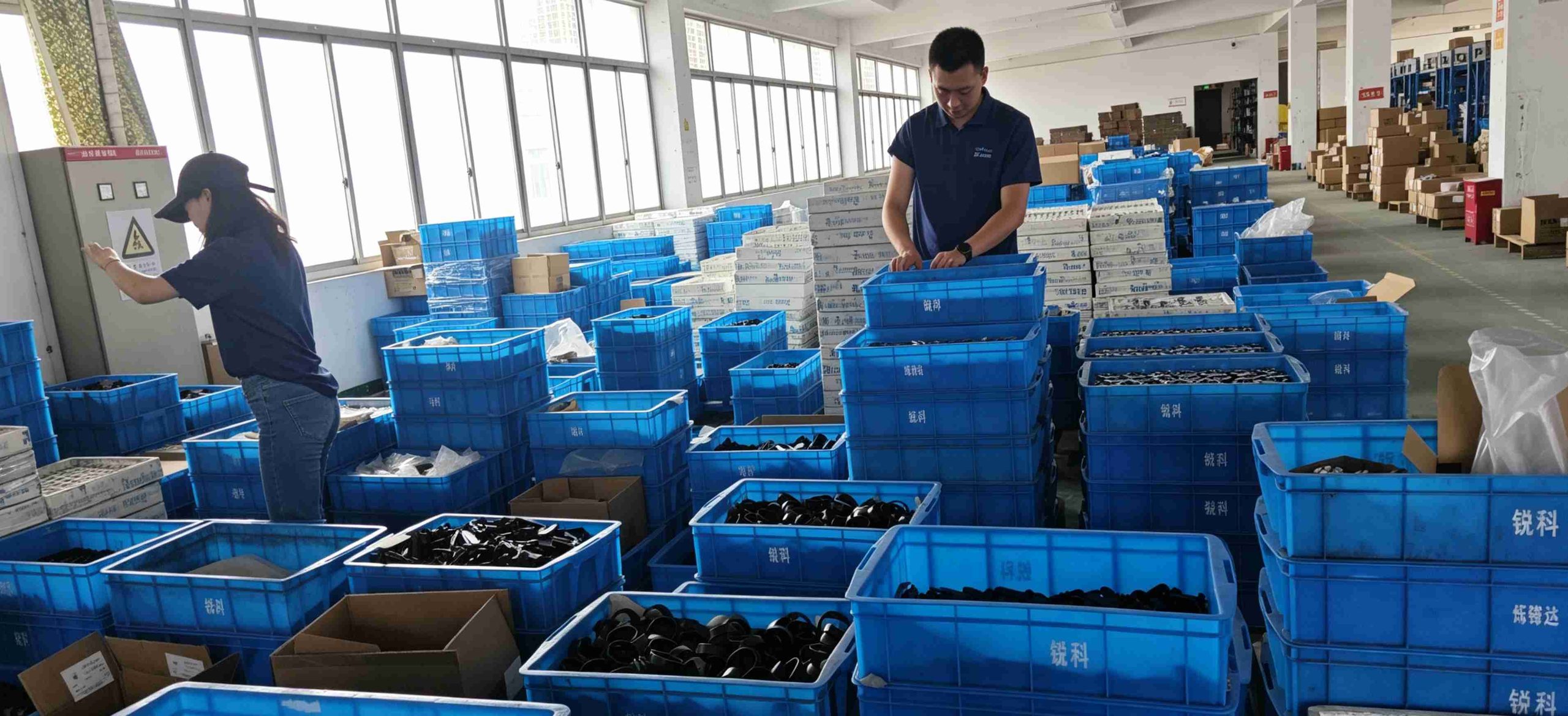
Frequently Asked Questions for Southeast‑Asia Projects
I. Products & Selection
Q1: What products does Reaking primarily manufacture? We focus on the R&D and manufacturing of industrial enclosure hardware accessories. Our core products include industrial cabinet locks, hinges, handles, latches, and sealing gaskets. These products are widely used in power distribution cabinets, telecommunication cabinets, control boxes, construction vehicles, RVs, smart charging stations, and new energy equipment.
Q2: What industries do your products primarily serve? Our products cover a wide range of industrial sectors, including:
Power industry: distribution cabinets, switchgear, meter boxes, compact substations, ring main units
Telecommunications: communication cabinets, base station equipment enclosures
New energy: energy storage cabinets, charging stations
Transportation: construction vehicles, RVs, railway equipment, marine
Industrial equipment: control boxes, machine guard doors, instrument cabinets
Q3: Do you offer OEM or ODM customization services? Yes. We offer complete customization services from mold development and product design to surface finishing. Whether it is dimension modification, function customization, or appearance design, we can flexibly adjust according to specific project requirements.
Q4: What is the Minimum Order Quantity (MOQ)? Our MOQ varies depending on product type and customization level. Standard products typically have a lower MOQ, while customized products can be negotiated flexibly based on project needs. Please contact our sales team for specific quotations.
Q5: What material options are available for your products? We offer a variety of material options to suit different operating environments and cost requirements: zinc alloy (moderate cost, suitable for general industrial environments), stainless steel (SUS304 / SUS316L, excellent corrosion resistance for harsh environments such as coastal and high‑humidity areas), brass (for applications requiring good corrosion resistance and aesthetic appearance), and steel (chrome/nickel plated, providing good rust resistance after surface treatment).
Q6: How do I choose the right industrial cabinet lock for my project? When selecting an industrial cabinet lock, we recommend considering the following aspects: mounting method (door thickness, cutout dimensions), operating environment (indoor/outdoor, humidity, salt spray exposure), protection rating requirements (waterproof and dustproof needs), security level (anti‑pry, anti‑mistouch, or other special designs), and operating method (key lock, combination lock, handle lock, etc.).
II. Environmental Adaptability & Corrosion Resistance
Q7: What problems do industrial cabinet locks commonly encounter in humid or coastal environments? In humid or coastal high‑salt‑spray environments, ordinary industrial locks are prone to the following issues: rusting and jamming (metal parts rust, causing the cylinder to fail to turn or the bolt to get stuck), surface corrosion (coating peeling, plating whitening, affecting appearance and service life), seal failure (gaskets aging, losing waterproof and dustproof capabilities), and premature wear (accelerated failure under frequent use).
Q8: How do your locks address corrosion resistance? We ensure corrosion resistance through multiple measures: material selection (stainless steel SUS304/316L recommended for harsh environments), surface treatment (special corrosion‑resistant plating or high salt‑spray resistant coating to form an effective protective barrier), and seal design (high‑quality gaskets to prevent moisture and salt spray from penetrating).
Q9: What protection ratings (IP ratings) can your locks achieve? Our products can achieve different protection ratings based on customer requirements: IP54 (dust‑protected and splash‑proof, suitable for semi‑outdoor or general humid environments), IP65 (dust‑tight and jet‑proof, suitable for outdoor environments), and IP66 (dust‑tight and powerful jet‑proof, suitable for harsh outdoor environments).
Q10: What does salt spray testing mean for industrial locks? Salt spray testing is the industry‑standard method for evaluating the corrosion resistance of locks. Longer test durations indicate stronger corrosion resistance. Standard industrial locks typically achieve 48‑72 hours in salt spray tests. Our products can provide higher‑standard salt spray test validation based on customer requirements, ensuring long‑term stable operation in Southeast Asia’s high‑temperature, high‑humidity, or coastal high‑salt‑spray environments.
Q11: Which is more suitable for coastal projects — stainless steel locks or plated locks? Stainless steel (SUS304/316L) is the top choice for coastal high‑corrosion environments. 316L stainless steel contains molybdenum, offering superior resistance to chloride corrosion, making it especially suitable for seaside projects. Plated locks can be used in mildly humid environments, but plating thickness and process quality must be verified — long‑term exposure to high‑salt‑spray environments still poses a rusting risk.
Q12: What are the differences in lock selection between inland and coastal areas in Southeast Asia? Inland Southeast Asia features high temperatures, heavy rainfall, and high humidity, where thickened electroplated locks and hinges are sufficient to meet operational needs. However, for coastal and island areas with heavy salt spray, SUS304 stainless steel is strongly recommended for long‑term resistance against chloride corrosion, significantly reducing outdoor equipment maintenance failures.
III. Technology & Quality
Q13: What quality standards do your products comply with? Our products are manufactured and managed in strict compliance with international quality standards, including ISO 9001 Quality Management System certification, IP protection ratings in accordance with IEC 60529, and product performance testing such as salt spray, operational cycle, and strength tests. In addition, we can apply for China Classification Society (CCS) Type Approval or other international classification society certifications (e.g., ABS, BV, DNV) based on customer requirements, meeting the stringent demands of marine and offshore industries.
Q14: Are your products RoHS compliant? Yes. Our products comply with RoHS (Restriction of Hazardous Substances Directive) environmental requirements, ensuring that our products do not contain harmful substances and meet the environmental access standards of international markets.
Q15: What durability standards can industrial cabinet locks typically achieve? Our standard‑model locks have a mechanical life of 20,000 operational cycles and comply with ANSI/BHMA A156.11 Grade 2 requirements.
IV. Procurement & Services
Q16: How can I purchase Reaking products? You can contact us through the following channels: leave a message at www.reaking.tech, send an email or call the number on our official website, or find us through platforms such as LinkedIn. Our sales team will respond to your inquiry within 24 hours.
Q17: Can you provide product samples? Yes. We can provide product samples for testing and validation based on customer requirements. Please contact our sales team for specific sample policies.
Q18: What is the typical lead time for products? Standard product lead time is typically 15‑30 days. Customized products may require 30‑45 days depending on complexity. Specific lead times are confirmed upon order placement. We can also coordinate expedited production for urgent orders.
Q19: How do I evaluate whether an industrial cabinet lock supplier is reliable? We recommend evaluating from the following aspects: quality control system (ISO 9001 or other quality management certifications), material and process (availability of material certificates and surface treatment process descriptions), testing capabilities (salt spray testing, durability testing, and other validation capabilities), customization capabilities (full‑process customization from mold to surface finishing), and export experience (familiarity with target market certification requirements and customs clearance procedures).
Q20: Do you provide after‑sales technical support? Yes. We provide full‑process technical support from selection consultation and product installation guidance to after‑sales issue resolution. No matter which country you are in, our technical team can support you remotely or through local partners.
Q21: Which cabinet accessories are most vulnerable in tropical high‑humidity environments? Cabinet shells are durable and less prone to damage. However, locks, hinges, and seals are the first accessories to suffer from corrosion, jamming, and functional failure. These three are also the core components that require upgraded anti‑corrosion craftsmanship for outdoor projects in Southeast Asia.
Q22: What targeted optimizations have you made for the Southeast Asian market? Leveraging our years of manufacturing experience in demanding domestic working conditions, we have systematically optimized material ratios, multi‑layer electroplating processes, powder coating thickness, and sealing structures to address Southeast Asia’s tropical high temperatures, high humidity, strong UV radiation, and salt spray environments. These enhancements ensure that our products meet the long‑term service requirements of outdoor industrial control and telecommunication cabinets in Southeast Asia.
If you have any other questions, please feel free to contact us.